Introduction
Many people arrive for an academic conference and follow the same routine. Airport, hotel, conference venue, and then back again. When your schedule is full, this is a normal choice. But Warsaw is the kind of city that becomes more interesting when you step a little outside that routine.
From May 29 to 31, 2026, Warsaw will host the 3rd World Conference on Security Studies, which brings together researchers, academics, and professionals to discuss global security issues. This is an international event, so many visitors will arrive with limited time and a clear professional goal.
Still, the city around you can support your work in ways you might not expect. Security studies often look at how societies respond to pressure, how institutions function, and how people rebuild after disruption. Warsaw is a city where these ideas feel real, not abstract. The city’s story is visible in streets, public spaces, and the way old and new sit next to each other.
If you are attending an academic conference in Warsaw, it is worth planning a few simple activities outside the program. These do not need to be long trips. Short walks, one museum visit, or one green space can add context to your research discussions. This is also why many visitors choose to stay one extra day after an International conference in Poland, if their schedule allows.
A City Shaped by Resilience and Public Memory
Warsaw is often described as a city that rebuilt itself. This is not only a historical fact. It is something you can observe in daily life. Some areas feel carefully restored, while others feel modern and fast-moving. Together, they show how a capital city manages change across decades.
For a security studies audience, this matters. Security is not only about conflict. It is also about continuity, planning, and trust in public systems. Warsaw’s urban structure can help you think about questions such as these in a practical way. How do cities protect key spaces? How do they maintain identity? How do they prepare for new risks while still carrying a long past?
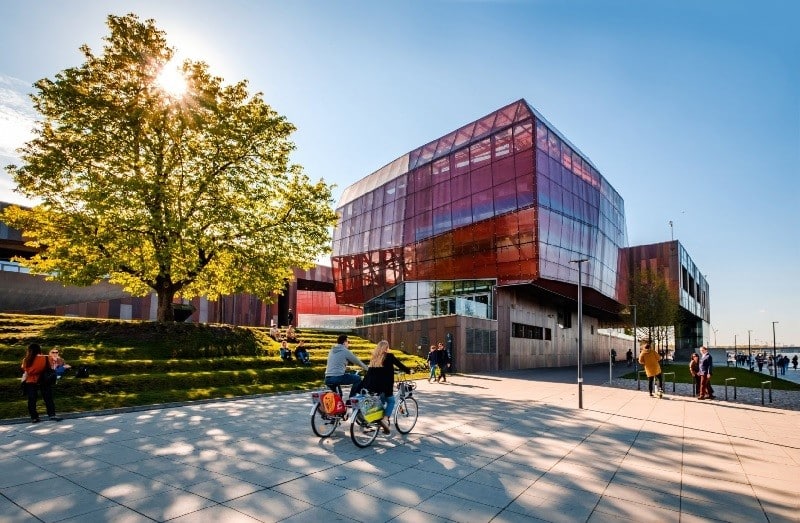
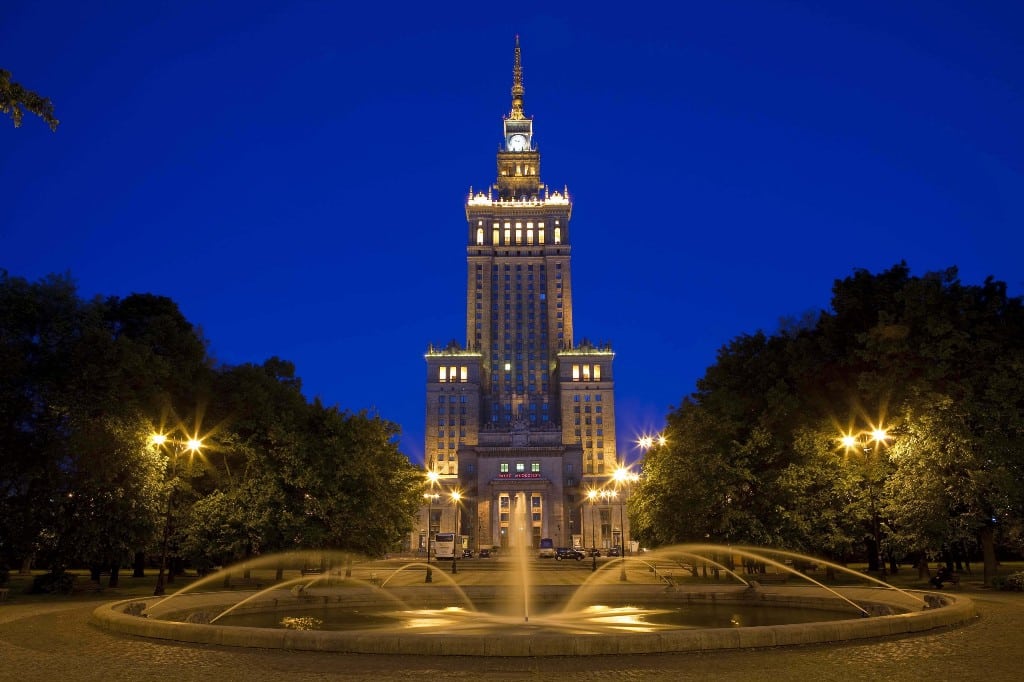
You do not need a complex itinerary to feel this. Spend time in the historic center (Old Town area), then move toward the modern core. The contrast is immediate. It shows a timeline in the form of buildings and city design, which can be a useful mental frame during a research-focused trip.
A Strong Setting for Serious Work and Quiet Focus
Conference travel often includes small “hidden needs” that become important fast: stable internet, quiet spaces, and easy transport. Warsaw performs well on these basics, which is one reason it works smoothly for international academic visitors.
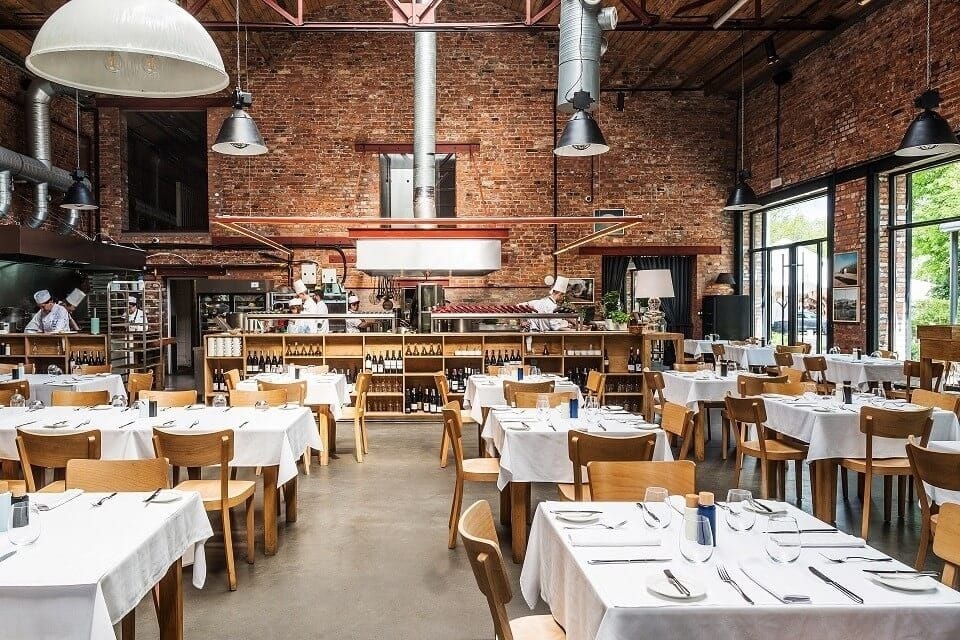
If you attend a security studies conference, you may want time to review notes, adjust your presentation, or prepare for questions. Warsaw offers many practical spaces for this, including calm cafés and public areas where you can sit and work without pressure. This is helpful during a Warsaw academic conference 2026 visit, when time and energy must be managed carefully.
Museums That Add Context
Museums in Warsaw are often structured in a way that works for conference visitors. You can learn a lot without spending an entire day. This is useful when you have sessions, meetings, and networking planned.
For a security studies conference, museum visits can also offer a broader view of how national identity, social memory, and public life connect. Even one well-chosen museum can add perspective to your discussions about governance, social resilience, and public trust.
The conference website highlights that the event covers a wide range of topics and tracks, reflecting the many dimensions of security studies. That range includes social, political, digital, and practical dimensions. Museums help bridge those areas because they often show how systems and societies change over time.

Green Spaces That Support Focus and Well-Being
Warsaw has a surprising amount of greenery for a capital. For visiting scholars, parks are not only “tourist places.” They are practical spaces for recovery. After several hours of concentrated discussion, a short outdoor break can improve your focus.
This is especially relevant during a world-class academic conference, where topics can be heavy and emotionally demanding. A calm environment helps you return to the next session with better attention and less fatigue.
A good strategy is to treat parks as part of your conference schedule. For example, you can plan a 30 to 45-minute walk after lunch, or in the late afternoon before you return to evening meetings. It is a small choice that can improve your overall conference experience.
Warsaw as a Place for International Academic Networking
The best academic trips are not only about the formal program. They are also about meeting people from different countries and learning how they approach similar problems. The World Conference on Security Studies presents itself as a place to connect with colleagues globally and collaborate on meaningful projects.
Warsaw supports this naturally. It is a capital city that hosts many international visitors, and it offers a setting where conversations can continue in calm environments. This is valuable for the academic community because security studies topics are often complex and sensitive. A comfortable city setting can make discussion more thoughtful and respectful.

Conclusion: Why Warsaw Stays With You
Warsaw does not need to impress you quickly. Instead, it offers depth through its public spaces, institutions, and the way history is woven into daily life. For a visitor attending the international academic conference, this context can strengthen the value of the academic trip.
If your schedule allows, stay longer than the final session. Warsaw is more than a conference location. It is a working, living capital where policy, society, and resilience are not only studied but also visible.